
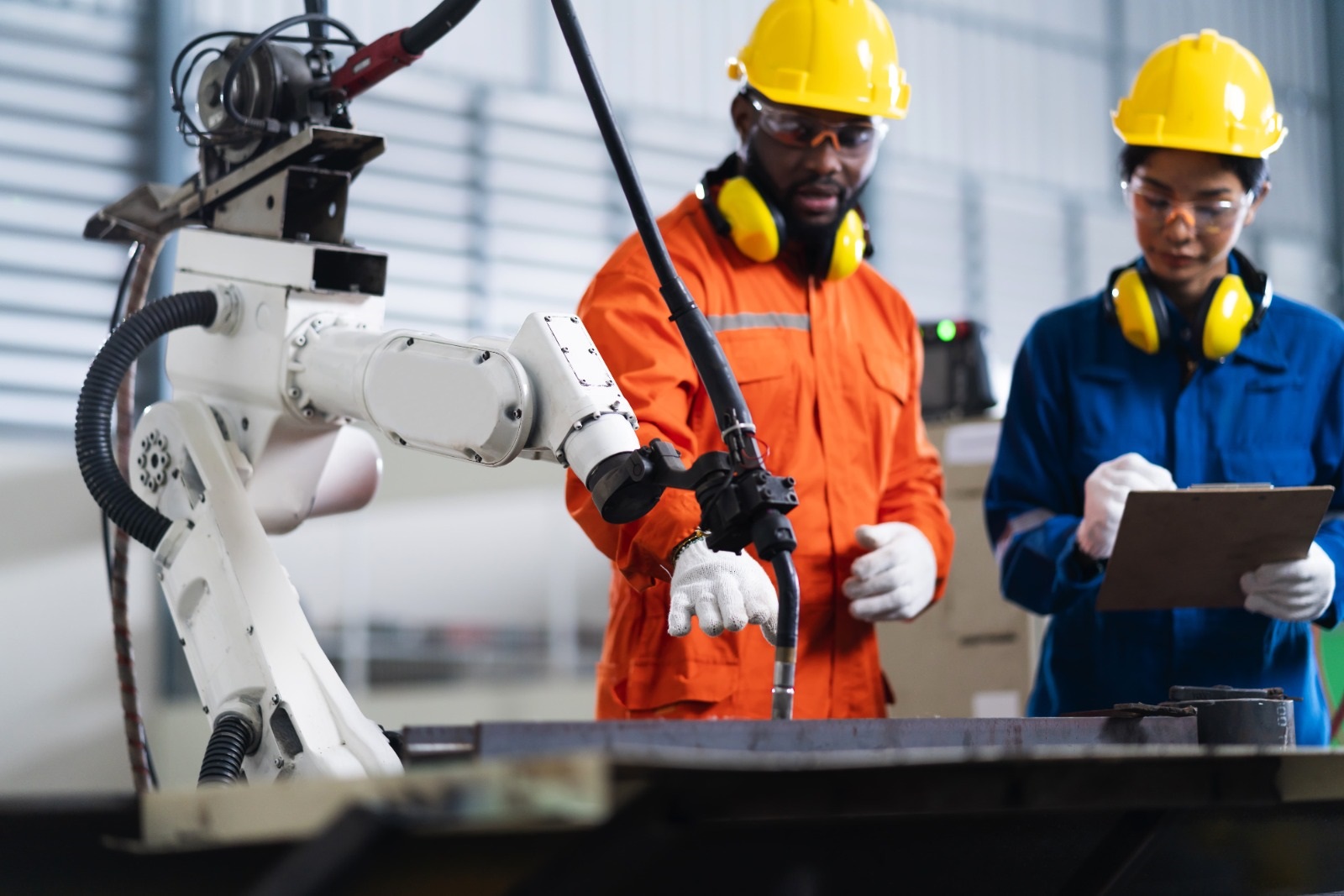
The rise of robotics in manufacturing is transforming how work is done. Once considered futuristic, robotic technologies are now commonplace in modern factories, performing tasks with unparalleled precision and efficiency. Robotics is reshaping the manufacturing landscape by redefining job roles, enhancing productivity, and fostering innovation.
The Evolution of Work in Manufacturing
1. From Manual Labor to Automation
Robots are increasingly taking over repetitive, hazardous, and labor-intensive tasks, allowing human workers to focus on higher-level roles such as supervision, maintenance, and programming. For example, robotic arms in automotive assembly lines can perform welding and painting tasks with precision that surpasses human capability. This shift has led to a safer work environment and a reduction in occupational hazards.
2. Improved Safety and Quality
With robots handling dangerous tasks, workplace accidents have significantly decreased. Additionally, robotic precision ensures consistent product quality, reducing waste and rework. In sectors such as pharmaceuticals and electronics, where precision is critical, robotics plays a crucial role in maintaining high-quality standards.
3. New Skill Requirements
As robotics adoption grows, manufacturers need a workforce skilled in robotics operation, maintenance, and programming. Upskilling and reskilling initiatives are critical to preparing workers for this shift. Vocational training programs and partnerships with technical institutions can help bridge the skills gap and ensure a steady supply of qualified professionals.
4. Collaboration Between Humans and Robots
Collaborative robots, or cobots, are designed to work alongside humans, enhancing productivity without replacing human jobs entirely. Cobots help bridge the gap between manual and automated processes. Unlike traditional robots that operate in isolated environments, cobots can work safely in close proximity to humans, making them ideal for small and medium-sized enterprises.
Preparing for the Robotic Future
Robotics is not just about automation; it’s about augmenting human capabilities. By investing in robotics, manufacturers can reduce costs, improve quality, and increase output, ensuring long-term competitiveness in an increasingly automated world. Manufacturers must also invest in workforce development to ensure a smooth transition to a robotic future.


